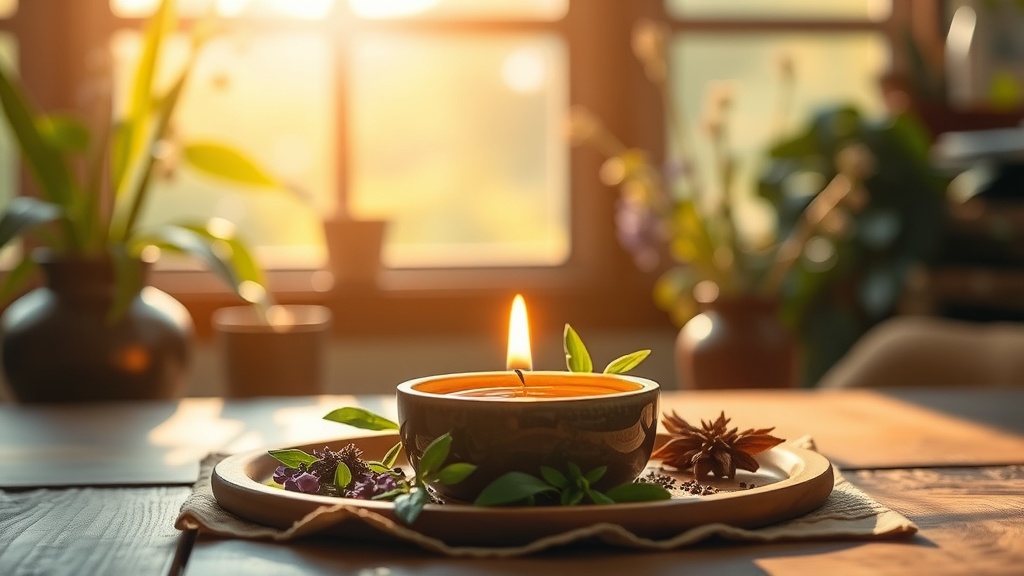
A Beginner's Guide to Morning Herbal Rituals for Calm Energy

This guide covers how to build a simple, sustainable morning herbal ritual using gentle plants that support calm focus without the crash of strong caffeine. You'll learn which herbs work best for steady morning energy, how to structure a routine that fits into a busy schedule, what safety considerations matter before you start, and where to source quality supplies right in Philadelphia. Mornings set the tone for the entire day—so getting them right matters more than most people realize, especially when you're trying to avoid the anxiety-inducing peaks and valleys of standard energy drinks.
What herbs work best for calm morning energy?
Adaptogens like ashwagandha and rhodiola, combined with gentle nervines such as lemon balm and chamomile, provide the best foundation for calm energy without the jitters of strong coffee.
Here's the thing: not all herbs wake you up the same way. Some, like green tea, contain a small amount of caffeine paired with L-theanine—an amino acid that promotes alert relaxation. Research on L-theanine suggests it can smooth out caffeine's edge, which is why a cup of Rishi Tea's Matcha Super Green feels steadier than a double espresso. You get the lift without the teeth-grinding restlessness that sends people reaching for a second cup by mid-morning.
Then there are adaptogens. These are plants that help the body respond to stress over time rather than masking fatigue with stimulation. Ashwagandha (Withania somnifera) has been studied for its ability to support cortisol balance and overall stamina. A standardized extract—such as the capsules from Himalaya or the liquid drops from Herb Pharm—can be taken with warm water first thing in the morning. Many people notice a difference within two to three weeks of consistent use, though some feel a subtle shift even on day one. Rhodiola rosea, another adaptogen native to cold mountain regions, is often favored by people who wake up feeling mentally foggy or physically sluggish. Gaia Herbs makes a solid rhodiola tincture that's easy to add to a morning tonic or take straight under the tongue.
For those who tend to wake up with a racing mind or tight shoulders, nervines are worth exploring. Lemon balm (Melissa officinalis) has a long history of use for easing tension while keeping the mind clear and accessible. You can brew dried lemon balm from Mountain Rose Herbs, or reach for Traditional Medicinals Organic Lemon Balm tea when you want something pre-bagged and reliable. Chamomile isn't just for bedtime—a mild chamomile infusion in the morning can take the edge off pre-meeting anxiety without making you drowsy, provided you don't steep it too long. The key is matching the herb to your specific morning pattern. Are you wired but tired? Try ashwagandha. Foggy and low? Rhodiola. Anxious and tense? Lemon balm.
How do you build a morning herbal ritual that actually sticks?
You build a sticky morning herbal ritual by anchoring it to an existing habit, keeping the preparation simple, and limiting the entire routine to under ten minutes.
The catch? Most beginners try to do too much too fast. They buy seven different herbs, a fancy electric kettle, and a stack of field guides—then burn out by Wednesday. Start with one herb and one method. If you already make coffee or heat water for oatmeal, stack your herbal prep right next to that action. Habit stacking works because it removes the decision-making that drains willpower before the day has even begun.
Worth noting: your brewing method affects both the flavor and the experience. A ceramic Hario V60 dripper works beautifully for loose herbal infusions that need a quick strain and a clean finish. If you prefer a stronger extraction with more body, a Bodum French press lets the herbs steep for five to ten minutes without fuss. (You don't need either to start—a simple mesh ball infuser from a kitchen drawer will do just fine for loose leaves.) Some people even skip hot brewing entirely and opt for overnight cold infusions. Just add dried herbs to a mason jar of filtered water, leave it in the refrigerator, and strain it in the morning. The taste is milder, and the preparation is done while you sleep.
Set out everything the night before. That means the mug, the herbs, and any supplements on the counter where you'll see them. When the alarm goes off, there's zero friction between you and the ritual. Some people find it helps to keep a small jar of Gaia Herbs Ashwagandha Root capsules right next to the kettle. Others prep a cold infusion in a quart mason jar and leave it on the top shelf of the fridge. Either way, consistency beats complexity every single time. A five-minute ritual you do daily is far more powerful than a twenty-minute ritual you abandon after a week.
That said, timing matters more than people think. Most adaptogens work best on an empty stomach or with a very small amount of food. Nervine teas can be sipped while you review the day's schedule or look out the window for a moment of quiet. The goal isn't to create a rigid, Instagram-worthy ceremony—it's to build a pocket of calm that signals to your body and brain that the day has started gently and with intention.
What's the difference between calming herbs and energizing herbs?
Calming herbs (called nervines) quiet the nervous system, while energizing herbs (mainly adaptogens and mild stimulants) support physical and mental stamina—and in practice, the two categories often overlap in surprising and useful ways.
Here's a simple way to think about it: calming herbs slow down internal chatter and ease physical tension. Energizing herbs help you meet the demands of the day without borrowing against your afternoon reserves. The best morning routines often combine both, creating a state that's alert but not wired. A comparison of common options makes this clearer.
| Herb | Primary Effect | Best For | Example Product |
|---|---|---|---|
| Chamomile | Calming | Easing morning anxiety | Traditional Medicinals Organic Chamomile with Lavender |
| Ashwagandha | Balancing | Steady focus under stress | Himalaya Organic Ashwagandha capsules |
| Matcha (L-theanine) | Alert calm | Mental clarity without jitters | Rishi Tea Matcha Super Green |
| Rhodiola | Energizing | Fighting morning fatigue | Gaia Herbs Rhodiola Rosea liquid extract |
| Lemon Balm | Calming | A racing mind before work | Mountain Rose Herbs dried lemon balm |
The overlap is where morning magic happens. Matcha, for instance, contains enough caffeine to wake you up—but the L-theanine keeps the experience smooth and sustained rather than spiky. Lemon balm calms without sedation, so you can still answer emails with a clear head or drive to work without feeling dulled. That said, strong sedatives like valerian root or kava don't belong in a morning ritual unless you're working directly with a qualified herbalist who knows your full health history. The point is to feel present and capable, not groggy.
Are morning herbal rituals safe for everyone?
They're safe for most healthy adults, but pregnant people, those taking prescription medications, and anyone managing a chronic condition should check with a qualified clinician before starting.
Herbs are powerful—and that power means they can interact with pharmaceuticals in ways that aren't always obvious. Ashwagandha may influence thyroid hormone levels, so it isn't ideal for someone on levothyroxine without medical guidance. Chamomile contains compounds that can affect blood clotting, which matters significantly if you're on warfarin or similar anticoagulant drugs. Even something as gentle as green tea can interfere with iron absorption if consumed at the same time as a supplement.
Quality also varies wildly between brands. The supplement industry isn't regulated with the same rigor as pharmaceuticals, so third-party testing matters a great deal. Look for certifications from NSF International, USP, or ConsumerLab. Brands like Gaia Herbs, Herb Pharm, and Traditional Medicinals tend to have stronger track records for sourcing, testing, and transparency than no-name sellers on marketplace websites.
If you're new to herbs, start with the lowest suggested dose and pay attention to how you feel for the first seven to ten days. Some people experience mild digestive upset from ashwagandha or a slight headache from rhodiola when they first begin. These effects usually pass as the body adjusts, but they're worth watching. Mount Sinai's ashwagandha overview and the NIH Office of Dietary Supplements both offer solid, evidence-based guidance on common interactions, side effects, and what to discuss with your doctor.
Where can you find quality herbs in Philadelphia?
You can find quality dried herbs, teas, and tinctures at local apothecaries like Meadow Sweet Mercantile, farmers markets in Rittenhouse Square, and select co-ops such as Weavers Way.
Eero Garcia, who runs Natures Notes, sources many of his own herbs from small-batch suppliers right here in the city. The Reading Terminal Market also hosts vendors who carry bulk teas and spice blends—some of which include excellent chamomile and peppermint that work well for morning brewing. Buying local means you can ask questions about sourcing, harvest dates, and preparation methods face-to-face. (Freshness matters far more than fancy packaging ever will.) You might pay a little more per ounce than you would online, but the ability to smell the herbs, check the color, and talk to the person who ordered them is worth the difference.
Start with one herb this week. Brew it the same way, at the same time, for seven days straight. Notice how your energy feels by 10 a.m., how your shoulders feel during the commute, and whether you're reaching for less caffeine by noon. Small experiments lead to lasting rituals—and there's absolutely no rush to get it perfect on day one. The best routine is the one you'll actually do.