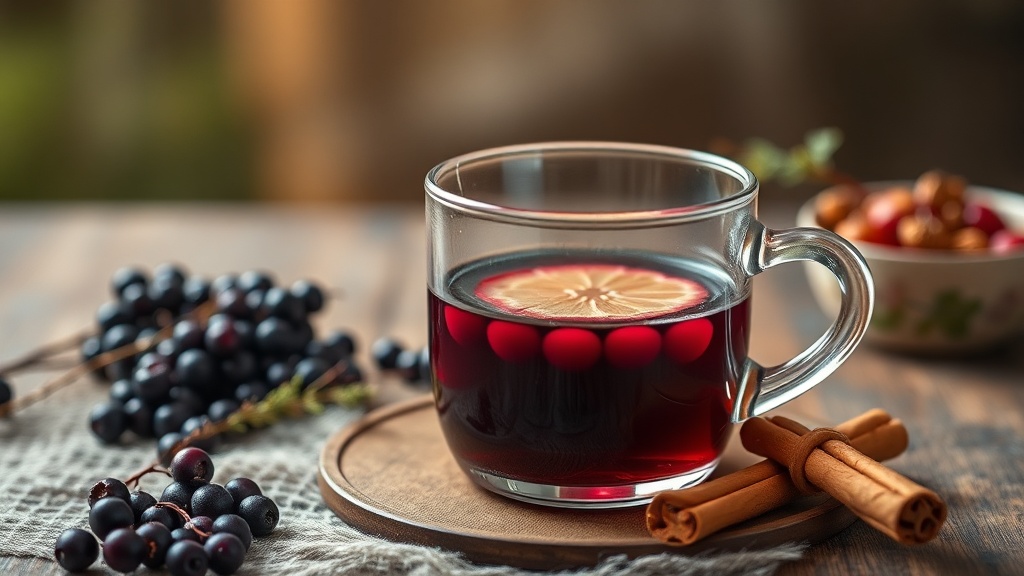
Crafting a Warm Infusion with Elderberry and Cinnamon

When the temperature drops in Philadelphia, your body naturally looks for ways to maintain its internal equilibrium. This guide explains how to prepare a potent elderberry and cinnamon infusion to support your immune response and soothe the respiratory system. We'll look at the specific ratios, the heat requirements for extraction, and how to select high-quality ingredients that actually work.
Elderberry (Sambucus nigra) has been a staple in traditional herbalism for centuries. It isn't just a trendy berry you see in health food stores; it's a functional tool for anyone looking to manage seasonal wellness. When you combine it with Ceylon cinnamon, you create a drink that does more than just taste good—it provides a warming sensation that helps ground your system. (I personally prefer a slightly thicker infusion when the wind picks up off the Schuylkill River.)
What Are the Benefits of Elderberry and Cinnamon?
The primary benefits of this combination include supporting a healthy immune response and providing antioxidant support through high flavonoid content. Elderberries are packed with anthocyanins, which are the pigments that give them that deep, dark purple color. Cinnamon, specifically the Ceylon variety, helps regulate blood sugar and adds a warming effect to the body.
If you've been reading about building a reliable routine with adaptogens, you'll understand that consistency is what makes these botanical-based rituals effective. You aren't just drinking a beverage; you're practicing a form of preventative care.
It's important to distinguish between types of cinnamon. Most grocery stores sell Cassia cinnamon, which contains higher levels of coumarin. While a little bit is fine, if you're consuming this infusion daily, you should look for Ceylon cinnamon. It's much gentler on the system and offers a more nuanced flavor profile.
How Do You Make Elderberry Cinnamon Tea at Home?
To make this infusion, you need to simmer dried elderberries and cinnamon sticks in water for approximately 20 to 30 minutes to extract the medicinal compounds. You can use a stovetop pot or a slow cooker to ensure the heat is consistent and the berries are fully softened.
Ingredients You'll Need:
- Dried Elderberries: 1/2 cup (ensure they are dried, as raw elderberries can be toxic).
- Ceylon Cinnamon Sticks: 2 to 3 sticks, broken into smaller pieces.
- Filtered Water: 4 cups.
- Optional Add-ins: A slice of fresh ginger or a teaspoon of raw honey.
Step-by-Step Instructions:
- Add the dried elderberries and broken cinnamon sticks to a small saucepan.
- Pour in the 4 cups of filtered water.
- Bring the mixture to a gentle boil. Once it reaches a boil, immediately turn the heat down to low.
- Simmer uncovered for 25 minutes. You want the liquid to reduce slightly to concentrate the flavors.
- Turn off the heat and let the infusion sit for another 10 minutes while it cools slightly.
- Strain the liquid through a fine-mesh sieve into a glass jar or your favorite mug.
- Add honey or ginger if you want to adjust the flavor profile.
One thing to watch out for: don't boil the mixture aggressively for the whole 30 minutes. High, violent heat can actually degrade some of the delicate compounds in the berries. A gentle simmer is much better for long-term extraction.
What Is the Difference Between Ceylon and Cassia Cinnamon?
The main difference lies in the chemical composition and the intensity of the flavor, with Ceylon being much milder and safer for frequent consumption. While Cassia is the common variety found in most pantries, Ceylon is often referred to as "true cinnamon."
| Feature | Ceylon Cinnamon | Cassia Cinnamon |
|---|---|---|
| Flavor Profile | Sweet, delicate, subtle | Strong, spicy, pungent |
| Coumarin Content | Very Low | High |
| Common Use | Daily wellness/medicinal | Baking/General cooking |
| Appearance | Thin, brittle layers | Thick, hard bark curls |
If you're looking for a more professional-grade spice, I've used brands like Simply Organic or specialized herbalists for my bulk supplies. It's worth the extra few dollars to ensure you aren't overdoing it on the coumarin. It's a small detail, but it matters for your long-term wellness.
How Long Can You Store Elderberry Infusions?
You can store your homemade elderberry and cinnamon infusion in a glass jar in the refrigerator for up to 5 to 7 days. To maintain the best quality, keep the jar tightly sealed and away from strong odors in the fridge.
If you find you've made too much, you can actually use the leftover liquid as a base for syrups or even incorporate it into a smoothie. For more information on the botanical properties of these plants, the Wikipedia page on Elderberry provides a deep dive into the various species and their traditional uses.
Don't forget that you can also use the leftover berries to make a concentrated syrup. If you boil the strained liquid down even further with a bit of honey or maple syrup, you'll have a shelf-stable tonic that lasts much longer. This is a great way to ensure nothing goes to waste.
Sometimes, I find that adding a bit of lemon juice at the very end—once the liquid has cooled to a drinkable temperature—helps brighten the heavy, earthy notes of the elderberry. It adds a bit of vitamin C to the mix, which is a nice bonus.
It's also worth noting that if you're using this as part of a ritual, the temperature of the drink can change how you experience it. A hot infusion is great for a slow evening, but a room-temperature version can be a refreshing way to start a morning.
If you're interested in how temperature and seasonal changes affect your body's needs, you might find my post on supporting your natural rhythm with seasonal seeds helpful. It's all part of the same philosophy: working with nature rather than against it.
Whether you're making a small batch for one or a larger jar to keep in the fridge, the key is the quality of your raw materials. A good cinnamon stick should be easy to snap, and your elderberries should be plump and dark. If they look dusty or grey, they've been sitting on a shelf for too long. High-quality ingredients make the difference between a mediocre tea and a truly restorative tonic.
Steps
- 1
Selecting High-Quality Ingredients
- 2
Simmering the Berry Base
- 3
Infusing the Warming Spices
- 4
Straining and Storing Your Blend