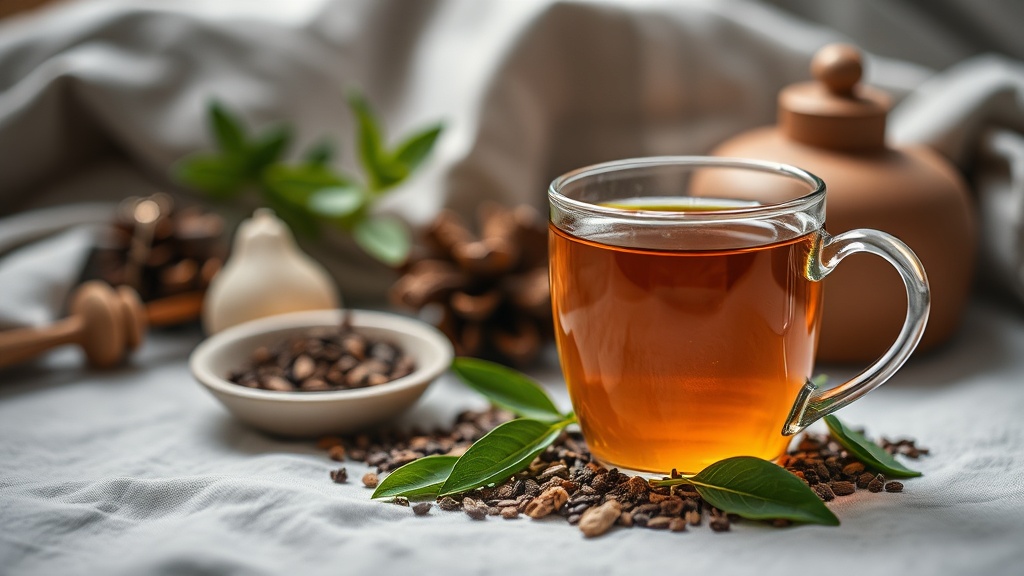
How to Create a Calming Herbal Sleep Tea Blend at Home

Learning how to create a calming herbal sleep tea blend at home gives you full control over ingredients, potency, and flavor. This guide walks through the science-backed herbs that promote relaxation, where to source quality botanicals, exact measurements for effective blends, and proper brewing techniques. Whether insomnia strikes occasionally or sleep quality needs consistent improvement, a custom tea blend offers a natural alternative to over-the-counter sleep aids—without the grogginess.
What Herbs Are Best for a Sleep Tea Blend?
Chamomile, valerian root, passionflower, lemon balm, and lavender form the foundation of most effective sleep teas. Each herb works differently—some calm the nervous system directly, while others ease anxiety or muscle tension that keeps you awake.
Chamomile (Matricaria recutita) contains apigenin, an antioxidant that binds to benzodiazepine receptors in the brain. Research published in the Journal of Advanced Nursing found that chamomile extract significantly improved sleep quality in elderly patients. The taste is apple-like and mild—an easy base for beginners.
Valerian root (Valeriana officinalis) acts as a mild sedative. Studies suggest it increases gamma-aminobutyric acid (GABA) levels in the brain. The catch? The taste is earthy—some say "dirty socks." Most people mask it with sweeter herbs or honey. Start with 1/2 teaspoon dried root per cup.
Passionflower (Passiflora incarnata) shows promise for reducing anxiety-related insomnia. A study in Phytotherapy Research demonstrated its effectiveness comparable to some prescription medications for generalized anxiety. The dried herb has a grassy, slightly sweet flavor.
Lemon balm (Melissa officinalis) combines mild sedative effects with mood elevation. It's particularly effective when racing thoughts keep you awake. The citrusy aroma pairs beautifully with chamomile.
Lavender (Lavandula angustifolia) works through scent as much as ingestion. The linalool compound reduces heart rate and blood pressure. Use sparingly—too much tastes soapy.
Herbs to Approach with Caution
California poppy and kava kava have sedative properties but carry more risk. Kava, in particular, has been linked to liver damage in rare cases. St. John's Wort interacts with numerous medications (including antidepressants and birth control). Worth noting: pregnant or breastfeeding individuals should avoid blue cohosh, mugwort, and high doses of valerian. Always research herb-drug interactions—especially if taking sedatives, blood thinners, or blood pressure medication.
Where Can You Buy Quality Herbs for Tea Blending?
High-quality dried herbs come from specialized herb shops, reputable online botanical suppliers, and some natural food stores. The source matters more than most beginners realize.
Mountain Rose Herbs (mountainroseherbs.com) offers certified organic botanicals with detailed sourcing information. Based in Oregon, they've supplied herbalists since 1987. Their chamomile flowers are whole—not the dusty fragments found in grocery store tea bags.
Frontier Co-op sells through natural food co-ops and stores like Whole Foods. The bulk bins let you smell before buying—a good indicator of freshness. Their lavender buds retain that distinctive purple color; brown or gray herbs are past prime.
Starwest Botanicals supplies many commercial tea companies. They offer one-pound minimums, making them cost-effective once you've settled on preferred ingredients. The catch? Storage becomes important at that volume.
Local apothecaries in Philadelphia like Herbaceous (Queen Village) and Ritual Shoppe carry small-batch dried herbs. The staff can answer questions about sourcing and potency. You'll pay more per ounce—but for experimenting, small quantities make sense.
What to look for: whole flowers, vibrant colors, strong aromas. Avoid pre-powdered herbs (rapid oxidation) and anything stored in clear containers near windows. Organic certification matters less than "wildcrafted" or "sustainably harvested" for some herbs—chamomile grows so easily that organic isn't hard to find.
How Do You Mix and Store Herbal Sleep Blends?
Proper blending requires a scale, airtight containers, and a cool, dark storage space. Ratios determine effectiveness—and personal preference drives the final formula.
Start with this beginner-friendly base recipe:
- 2 parts chamomile flowers
- 1 part lemon balm leaf
- 1/2 part lavender buds
- 1/2 part passionflower herb
A "part" can be any measurement—teaspoon, tablespoon, or ounce—depending on how much you're making. For a single jar, use tablespoons. Mix thoroughly in a glass bowl. The goal is uniform distribution so each cup delivers consistent potency.
Here's the thing: valerian root belongs in stronger blends but requires careful dosing. Add 1/4 part valerian to the base recipe above if sleep onset takes hours. Taste-test before committing to a large batch—some people find valerian too pungent.
Storage Best Practices
Light, heat, and oxygen degrade volatile oils—the compounds responsible for therapeutic effects. Store blends in amber glass jars with tight-fitting lids. Ball Mason jars (8 oz or 16 oz) work perfectly and cost about $12 for a case of 12. Keep them in cabinets away from the stove and dishwasher (heat sources).
Most dried herbs maintain potency for 12 months. After that, they won't spoil—but the sleep-promoting effects diminish. Label each jar with the blend name and date mixed. Brother P-touch labels hold up better than masking tape.
| Herb | Shelf Life | Potency Indicator |
|---|---|---|
| Chamomile flowers | 12-18 months | Strong apple scent when crushed |
| Valerian root | 24 months | Pungent earthy odor (never fades) |
| Lemon balm | 12 months | Bright citrus aroma |
| Lavender buds | 18 months | Purple color retention |
| Passionflower | 12 months | Grassy, hay-like scent |
What's the Best Way to Brew Herbal Sleep Tea?
Steep sleep tea for 5-10 minutes in water heated to 200-212°F (just off boiling). Cover the cup while steeping—volatile oils escape with steam, and you want those oils in your body, not the kitchen air.
Use 1-2 tablespoons of dried herb blend per 8 ounces of water. A Finum brewing basket (about $10) gives herbs room to expand—tea balls are too small for whole flowers. The Bodum Caffettiera French Press works beautifully for larger servings before bed.
Timing matters. Drink sleep tea 30-45 minutes before desired bedtime. This allows active compounds to reach the bloodstream and begin effects. That said, drinking too early lets the sedative effects peak before you're actually in bed.
Additives either help or hinder. Honey supports the mild sedative effect—simple carbohydrates can promote tryptophan availability. Wedderspoon Raw Manuka Honey brings antimicrobial benefits too (though that's more relevant for daytime wellness teas). Warm milk adds calcium and psychological comfort for some. Avoid caffeine-containing additions—yes, that includes chocolate.
Advanced Blending Techniques
Once you've mastered single-note evening blends, consider rotation. The body adapts to consistent herbal inputs—valerian becomes less noticeable after weeks of nightly use. Create three different blends and rotate them:
- The Chamomile Classic: Chamomile, lemon balm, lavender
- The Passion Blend: Passionflower, skullcap, spearmint
- The Heavy Hitter: Valerian, California poppy, hops flowers
Each targets slightly different mechanisms. Chamomile works on GABA-A receptors. Passionflower may increase GABA production itself. Hops—the same plant that flavors beer—contains 2-methyl-3-buten-2-ol, a compound with genuine sedative properties.
For immediate anxiety spikes (not chronic insomnia), try a quicker-acting tisane. Traditional Medicinals Cup of Calm (premixed, available at most grocers) contains passionflower, chamomile, and catnip—yes, the same plant that excites cats sedates humans. It's a useful benchmark for flavor profiles when creating your own.
"Herbal sleep support isn't about knockout sedation—it's about creating conditions where natural sleep processes can resume." — Dr. Aviva Romm, integrative medicine physician
The ritual itself matters. Boiling water. Measuring herbs. The steam rising. These actions signal to the nervous system that the day ends. Don't underestimate this—behavioral sleep medicine recognizes routine as powerful as pharmacology.
If taste bothers you (valerian, again), add stronger flavors. Numi Organic Rooibos adds sweetness and body. Peppermint overpowers most herbs—use spearmint instead; it's milder. Dried orange peel (from organic oranges, not treated with pesticides) brightens earthy blends.
Track results. Keep a simple sleep journal noting which blend you used, steep time, and morning grogginess (the goal is zero). After two weeks, patterns emerge. Maybe passionflower causes vivid dreams you dislike. Perhaps lavender alone isn't enough. The data personalizes your approach.
Your perfect blend awaits. Start simple. Source well. Store properly. The path to better sleep through herbal tea isn't complicated—it's intentional. Small batches. Thoughtful notes. Adjustments over weeks. The herbs have worked for centuries. They'll work for you too.
Steps
- 1
Gather Your Herbs and Supplies
- 2
Measure and Mix Your Blend
- 3
Steep and Enjoy Before Bed