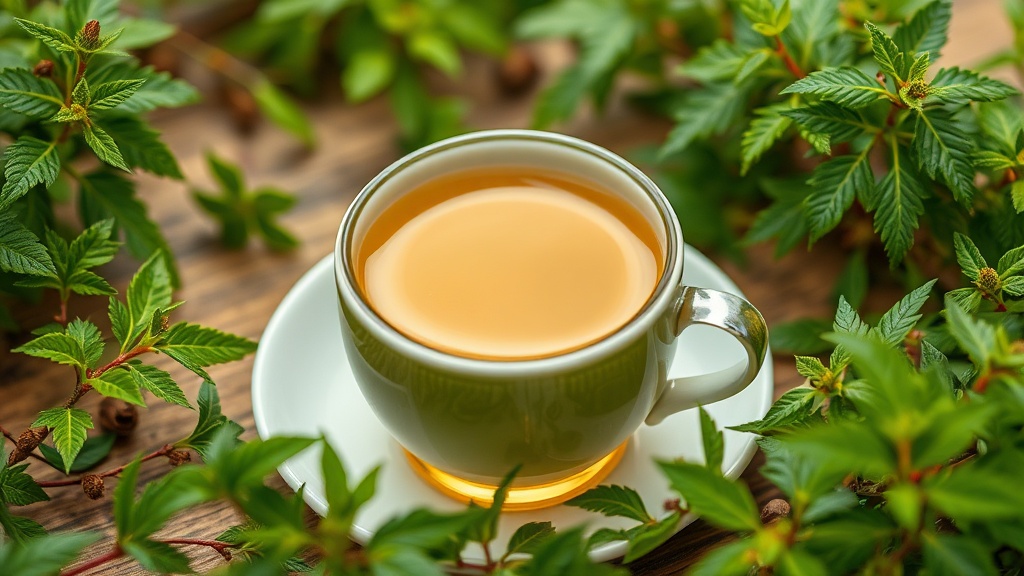
Nettle Tea for Seasonal Vitality

The seasons change, and with them, the body's internal rhythms shift. A person might notice a sudden dip in energy or a nagging sense of sluggishness as the weather turns. This post explores the benefits of stinging nettle tea for supporting seasonal transitions and maintaining vitality. We'll look at its nutritional profile, how to use it, and what the current research suggests about its impact on the body.
Nettle tea isn't just some trendy herbal beverage; it's a nutrient-dense infusion that has been used for centuries. If you've ever felt that "seasonal slump"—that heavy, unmotivated feeling that hits when the light changes—nettle might be a useful tool for your pantry. It's high in minerals and vitamins that support various bodily functions. It's not a magic pill, but it's a solid piece of the wellness puzzle.
What Are the Nutritional Benefits of Nettle Tea?
Nettle tea is exceptionally high in vitamins A, C, and several B vitamins, along with a significant mineral profile including iron, calcium, and magnesium. Most people focus on the caffeine-free aspect, but the mineral density is the real standout here. It's a powerhouse of micronutrients that can help bridge the gap when your diet might be lacking during seasonal shifts.
According to the National Center for Biotechnology Information (NCBI), Urtica dioica (the scientific name for stinging nettle) contains various bioactive compounds. These include flavonoids and phenolic acids. These aren't just fancy names—they are the components that help the body manage oxidative stress. It's a bit like giving your cells a little extra support to handle the environmental changes we face every year.
The mineral content is particularly noteworthy. If you're looking to supplement your intake of magnesium or iron through food, a cup of nettle tea is a great way to do it. It's much more subtle than a synthetic supplement, and many people find the ritual of drinking tea more grounding than swallowing a pill. (Though, if you're looking for high-dose iron, you'll still need to look at your diet too.)
Here is a breakdown of what you're actually getting in a standard cup:
| Nutrient | Primary Benefit | Common Sources |
|---|---|---|
| Iron | Supports blood health | Nettle, Spinach, Lentils |
| Magnesium | Nervous system support | Nettle, Pumpkin Seeds, Almonds |
| Vitamin C | Immune support | Nettle, Citrus, Bell Peppers |
| Silica | Skin and connective tissue | Nettle, Cucumbers, Oats |
How Do You Use Nettle Tea for Seasonal Support?
You can use nettle tea by steeping dried leaves in hot water for 5 to 10 minutes to create a standard cup, or by longer infusions for a more potent tonic. For those who want a deeper mineral extraction, a "long infusion" is the way to go. This involves letting the leaves sit in water for several hours or even overnight.
I usually recommend starting with a standard cup. If you're using a brand like Traditional Medicinals Organic Nettle, you'll find the flavor is quite earthy and slightly grassy. It's not sweet, so don't expect a dessert tea. If the taste is too intense for you, a squeeze of lemon or a tiny bit of raw honey can help balance the profile.
There are a few different ways to incorporate it into your routine:
- The Daily Cup: Drink one cup in the afternoon when your energy starts to dip.
- The Long Infusion: Steep a large handful of dried nettle in a liter of water overnight. Drink this throughout the day as your primary hydration source.
- The Culinary Addition: Use dried nettle powder in soups or smoothies to add a nutritional boost without the liquid volume.
It's worth noting that the "stinging" part of the plant is neutralized once the leaves are dried or steeped in hot water. You won't be getting stung by your tea. This makes it a safe and easy way to enjoy the benefits of a plant that is otherwise a bit intimidating to handle in the wild. If you're foraging your own, please be careful—the hairs are no joke.
Are There Any Side Effects or Precautions?
Most people tolerate nettle tea well, but it can act as a mild diuretic and may interact with certain medications. If you're already taking blood thinners or blood pressure medication, you should definitely talk to a healthcare professional before making this a daily habit. It's always better to be safe than sorry.
Because nettle has a diuretic effect, it might cause you to use the bathroom more frequently. This is a natural response, but it's something to be aware of if you're planning a long car ride or a movie marathon. Also, since it can lower blood sugar, people with diabetes should monitor their levels closely.
It's also helpful to consider how it interacts with your existing routine. For instance, if you're already focusing on optimizing your circadian rhythm through morning sunlight for better sleep, you might find that drinking a heavy dose of nettle tea late in the evening interferes with your ability to stay asleep due to its diuretic properties. I'd suggest sticking to your tea consumption in the morning or afternoon.
A few things to keep in mind:
- Pregnancy: Consult a doctor first, as there isn't enough research regarding its safety during pregnancy.
- Blood Sugar: Monitor if you are using glucose-lowering medications.
- Blood Pressure: Be mindful if you are on antihypertensive drugs.
The goal isn't to replace medical advice with herbal tea. It's about using what nature provides to support a healthy baseline. A tea is a supplement to a lifestyle, not a replacement for professional medical care. If you have a chronic condition, your doctor is your first stop—not your tea kettle.
The beauty of nettle is its simplicity. It's a plant that grows readily in many parts of the world, and it's been a staple in many traditional diets for a reason. Whether you're looking to boost your mineral intake or just want a more intentional way to transition between the seasons, a cup of nettle tea is a low-barrier way to start. It's an honest, straightforward way to support your body's natural rhythms. Just remember to listen to your own body as you introduce new things into your routine.