The Soothing Power of Chamomile: Your Guide to Natural Relaxation

This post explores how chamomile promotes natural relaxation, backed by scientific research and traditional wisdom. You'll discover practical ways to incorporate this gentle herb into daily routines for better sleep, reduced tension, and overall calm—without relying on synthetic solutions or complicated rituals.
What Is Chamomile and How Does It Promote Relaxation?
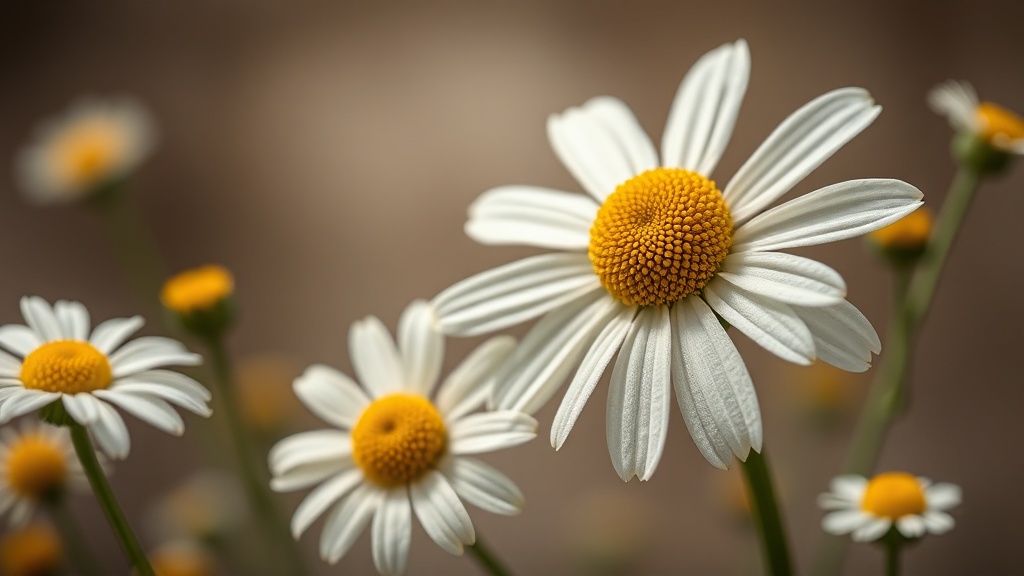
Chamomile is a flowering herb from the daisy family (Asteraceae) that contains apigenin—an antioxidant that binds to specific receptors in the brain to reduce anxiety and initiate sleep. This simple mechanism explains why cultures worldwide have turned to chamomile for centuries when seeking calm.
Two primary varieties dominate the wellness market: German chamomile (Matricaria chamomilla) and Roman chamomile (Chamaemelum nobile). German chamomile grows taller and produces more flowers—making it the preferred choice for tea production. Roman chamomile spreads low to the ground and offers a slightly bitter, apple-like scent that aromatherapists favor.
The apigenin compound works similarly to benzodiazepines (yes, those prescription anxiety medications) but with a much gentler touch. It doesn't knock you out or create dependency. Instead, it nudges the nervous system toward parasympathetic dominance—what some call "rest and digest" mode. That said, the effects are subtle. You won't feel drugged. You'll simply notice that shoulders drop, jaw unclenches, and racing thoughts slow to a manageable pace.
Beyond apigenin, chamomile contains bisabolol, chamazulene, and various flavonoids that contribute to its anti-inflammatory and mild sedative properties. These compounds work synergistically—meaning the whole flower delivers benefits greater than any single isolated component. Here's the thing: researchers still haven't mapped every mechanism. Traditional herbalists would tell you that's perfectly fine. You don't need to understand electricity to flip a light switch.
Is Chamomile Tea Effective for Anxiety and Sleep?
Yes—clinical studies demonstrate that chamomile significantly reduces moderate-to-severe generalized anxiety disorder symptoms and improves sleep quality, particularly in adults aged 18-65. A 2011 study published in the Journal of Clinical Psychopharmacology found that participants taking chamomile extract experienced greater reductions in anxiety scores compared to placebo groups.
Sleep improvements show up consistently across research. One 2019 systematic review examined multiple randomized controlled trials and concluded that chamomile extract had "meaningful effects" on sleep quality metrics. Participants fell asleep faster. They woke less frequently. Morning grogginess—minimal.
The catch? Dosage matters. Drinking one weak cup of grocery-store tea bags won't transform chronic insomnia. Studies showing significant results typically use concentrated extracts containing 220-1,600mg of chamomile daily. That's roughly 3-6 strong cups of traditional tea—or standardized supplements like those from Traditional Medicinals or Celestial Seasonings Sleepytime Extra (which combines chamomile with valerian for enhanced effect).
Individual response varies widely. Some people (perhaps 15-20%) report minimal effects from chamomile—they're simply wired differently. Others experience such pronounced drowsiness that they avoid daytime use entirely. Worth noting: chamomile works best as part of a wind-down routine, not as a panic-button solution. The ritual itself—boiling water, inhaling steam, wrapping hands around a warm mug—triggers relaxation responses independent of the herb's biochemistry.
How Does Chamomile Compare to Other Natural Relaxation Options?
Chamomile sits in the middle of the potency spectrum—stronger than lemon balm or passionflower for most users, but gentler than valerian root or kava kava. This middle position makes it ideal for daily use without the hangover effects or dependency risks associated with stronger sedatives.
| Option | Onset | Duration | Best For | Cautions |
|---|---|---|---|---|
| Chamomile tea | 30-45 min | 4-6 hours | Daily relaxation, gentle sleep aid | Rare allergy (ragweed family) |
| Valerian root | 1-2 hours | 6-8 hours | Severe insomnia | Morning grogginess, vivid dreams |
| Lavender (oral) | 1-2 hours | 6-8 hours | Anxiety, restlessness | Bitter taste, GI upset |
| Magnesium glycinate | 1-3 hours | Variable | Muscle tension, stress | Diarrhea (other forms) |
| L-theanine | 30-60 min | 3-5 hours | Calm focus (daytime) | Headaches at high doses |
Unlike valerian—which can leave you feeling like you're swimming through fog the next morning—chamomile rarely produces next-day effects. That's why many people keep Bigelow Cozy Chamomile or Yogi Comforting Chamomile in their desk drawer for stressful afternoons. You can drink a cup at 3 PM and still function at 8 PM.
The combination approach works beautifully. Chamomile pairs well with lemon balm for digestive-related anxiety (think nervous stomach before presentations). It complements lavender key oil used in parallel—tea internally, diffuser externally. Some practitioners recommend rotating chamomile with other gentle options weekly to prevent tolerance buildup—though evidence for tolerance remains anecdotal rather than established.
What's the Best Way to Prepare Chamomile for Maximum Benefits?
Use water just off the boil (200-212°F), steep covered for 5-10 minutes, and add fat (milk, coconut oil, or honey) to improve absorption of chamomile's lipid-soluble compounds. Covering during steeping prevents volatile oils from escaping with the steam—you want those in your cup, not your kitchen air.
Loose flowers generally outperform tea bags for potency. Brands like Mountain Rose Herbs and Frontier Co-op sell organic German chamomile flowers that bloom into full daisy-like shapes when steeped. The visual matters—you're not just drinking medicine; you're participating in a sensory experience. One teaspoon of dried flowers per 8 ounces of water serves as a standard dose. For stronger effects, increase the herb quantity rather than extending steep time (which just extracts bitterness, not additional benefits).
Timing influences results significantly. For sleep support, drink your cup 30-60 minutes before desired bedtime. For daytime anxiety, smaller amounts consumed slowly throughout the afternoon work better than one large dose. Some people find cold-brewed chamomile (steeped 8-12 hours in refrigerator) produces less bitterness and equally effective relaxation—perfect for Takeya Cold Brew pitchers or simple mason jars.
Topical applications deserve mention too. Cooled chamomile tea makes an excellent eye compress for puffiness and irritation. Babo Botanicals and California Baby both incorporate chamomile into their calming baby products—proof of its gentle nature. You can create a simple hair rinse (brew strong, cool completely, pour through hair after shampooing) that soothes scalp irritation while delivering aromatherapy benefits.
Supplements offer convenience for travelers or those who genuinely dislike the taste. Look for standardized extracts containing 1.2% apigenin or equivalent—brands like Nature's Answer and Gaia Herbs provide third-party tested options. Liquid extracts (tinctures) work faster than capsules; sublingual absorption bypasses digestion entirely. A few drops of Herb Pharm Chamomile extract under the tongue produces noticeable calm within 15 minutes.
Safety considerations remain straightforward but important. Avoid chamomile if you have known allergies to ragweed, marigolds, or daisies. Pregnant women should consult healthcare providers—chamomile may have mild uterine-stimulating effects at high doses. Those taking blood thinners (warfarin, specifically) need professional guidance due to potential interactions. The vast majority of adults, however, can enjoy multiple cups daily without concern.
Quality varies enormously across brands. Egyptian chamomile (particularly from the Nile Delta region) typically contains higher key oil content than flowers grown elsewhere. When possible, choose organic options—conventional chamomile often carries pesticide residues that undermine the very wellness goals you're pursuing. Store flowers in airtight containers away from light; volatile oils degrade within 6-12 months of opening.
Creating a personal ritual amplifies chamomile's effects. The same cup consumed while scrolling through newsfeeds works less effectively than one sipped deliberately—feet grounded, shoulders rolled back, three deep breaths before the first taste. This isn't mystical thinking. It's neurology. The parasympathetic nervous system responds to context, to slowness, to intention. Chamomile provides the biochemical nudge; you provide the behavioral invitation.