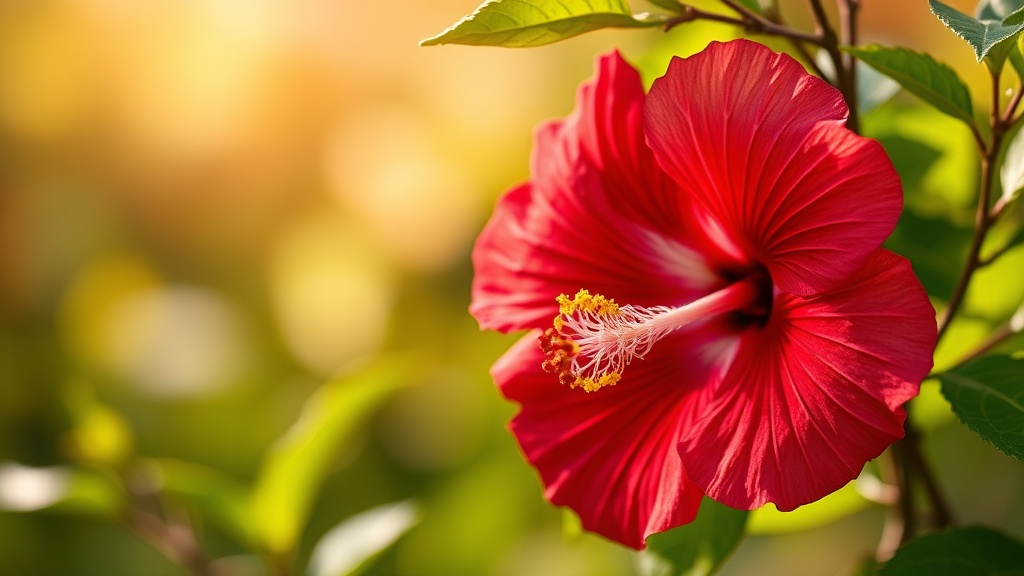
Why Hibiscus and Hibiscus Tea Support Blood Pressure

A Cup of Crimson Calm
Picture a quiet afternoon in a Philadelphia park. The air is cooling, and you reach for a bright, ruby-red infusion. It isn't just a pretty drink; it's a concentrated dose of plant power. Hibiscus, or Hibiscus sabdariffa, has long been a staple in traditional wellness circles for its ability to assist with cardiovascular health. This post looks at how incorporating this tart, floral brew into your daily rhythm might support healthy blood pressure levels and general vascular wellness.
Many people look toward dietary shifts when they want to support their heart health. Hibiscus isn't a quick fix, but it offers a way to integrate plant-based support into a standard routine. Whether you enjoy it iced during a humid July afternoon or warm on a crisp October evening, the bioactive compounds within the petals do the heavy lifting. We'll look at the specific mechanisms at play and how to use it safely.
Does hibiscus tea lower blood pressure?
The short answer is that research suggests a positive correlation between regular hibiscus consumption and blood pressure regulation. Studies often point to the presence of anthocyanins—the same pigments that give the tea its deep red color. These compounds help manage the way your blood vessels react to stress and physical activity. When your vessels stay flexible, blood flows more easily.
A study published by the National Center for Biotechnology Information suggests that hibiscus extracts can have an effect similar to some standard interventions. However, it's not a replacement for medical advice. If you're already taking medication, you need to be careful. The way hibiscus interacts with your body's chemistry is potent enough that it can actually interfere with certain prescriptions if not handled with care.
"While the results are promising, always consult a professional before adding high-potency botanicals to a medicinal regimen."
To get the most out of your tea, consistency matters. Drinking a single cup once a week won't yield much. Aiming for one to two cups a day as part of a broader nutritional strategy is often where the most interesting observations occur. It's about the long-term habit, not the one-off glass.
Which antioxidants are in hibiscus tea?
Hibiscus is a powerhouse of phytochemicals. When you sip on this tea, you're consuming more than just flavored water. You're getting a dose of polyphenols, specifically proanthocyanidins and organic acids like citric and malic acid. These components work together to combat oxidative stress within the body. Oxidative stress is a major contributor to many modern health concerns, and managing it is a key part of staying well.
- Anthocyanins: These provide the deep pigment and offer significant antioxidant protection.
- Quercetin: A flavonoid that supports vascular health and reduces inflammation.
- Vitamin C: A classic antioxidant that supports the immune system and skin integrity.
The synergy of these elements makes hibiscus a much more interesting tool than a simple tea leaf. It's a functional beverage that serves a purpose beyond hydration. If you want to maximize the antioxidant profile, avoid adding excessive refined sugars. Keeping the tea pure or perhaps adding a squeeze of lime preserves the integrity of the plant's natural properties.
Can I drink hibiscus tea every day?
For most healthy adults, drinking hibiscus tea daily is perfectly fine. In fact, many people find it becomes a staple of their morning or evening ritual. However, there are a few caveats to keep in mind. Because of its effect on blood pressure, those who already have naturally low blood pressure (hypotension) might feel lightheaded or dizzy if they consume too much. It's a matter of finding your own threshold.
Another point of caution involves pregnancy. There is limited data on how high concentrations of hibiscus affect pregnancy, so it's generally recommended to stick to moderate amounts or consult an OB-GYN. The same goes for people on diuretics or blood pressure medications. You don't want to accidentally stack your effects. It's better to be safe and treat the tea as a supplemental addition rather than a primary source of care.
If you're looking for a way to make it a permanent part of your day, try these methods:
- The Iced Refreshment: Brew a large batch, let it cool, and keep it in the fridge. It's a great zero-calorie alternative to soda.
- The Warm Infusion: Steep the dried petals in hot (not boiling) water for at least 5-7 minutes to extract the full color and nutrients.
- The Flavor Blend: Mix in a small piece of ginger or a cinnamon stick to add warmth and depth to the tartness.
Ultimately, wellness is about these small, repeatable actions. A cup of tea might seem insignificant, but when it's backed by the right plant-based compounds, it becomes a part of a larger, thoughtful approach to living well. Keep your eyes on the quality of your ingredients. Look for organic, dried hibiscus flowers to ensure you aren't consuming any pesticide residue alongside your antioxidants.