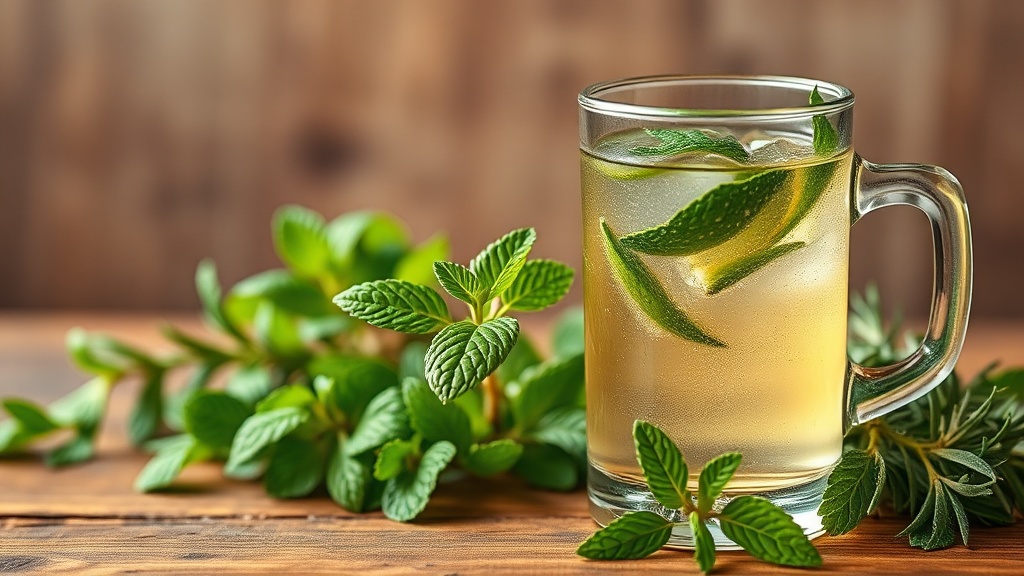
Brewing Clarity with Peppermint and Rosemary

Do you ever feel like your brain is stuck in a thick fog after a long morning of staring at a screen? This post explains how to combine peppermint and rosemary to sharpen mental focus and clear cognitive fatigue. We'll look at the specific properties of these herbs, how to prepare them effectively, and how to use them safely in your daily routine.
Why do peppermint and rosemary improve focus?
Peppermint and rosemary work together to stimulate the nervous system and increase alertness through their aromatic compounds. Peppermint contains high levels of menthol, which provides a cooling sensation and can help wake up the senses. Rosemary contains cineole, a compound that research suggests can influence neurotransmitters related to memory and attention.
When you inhale these scents, you aren't just smelling a nice aroma—you're actually interacting with your olfactory system. This system has a direct line to the brain. A study found in the Wikipedia entry for Rosmarinus officinalis notes that the scent of rosemary can improve cognitive performance. It's a subtle nudge for your brain to stay present.
Think of it as a natural wake-up call. It's much less jarring than a third cup of coffee. If you find yourself struggling with mid-afternoon slumps, these herbs offer a gentler alternative. You might find that this fits well with your existing wellness habits, much like building sustainable daily energy.
Peppermint is particularly good for physical alertness. It helps reduce that heavy, lethargic feeling in the head. It's a sharp, crisp sensation that cuts through the mental clutter.
How do I make peppermint and rosemary tea?
To make this tea, you need to steep dried or fresh herbs in hot water for about 7 to 10 minutes. Using the right ratio ensures you get the benefits without the taste becoming too medicinal or overwhelming.
Ingredients you'll need:
- 1 tablespoon of dried peppermint leaves (or 2 tablespoons of fresh leaves).
- 1 teaspoon of dried rosemary needles (or 1 small sprig of fresh rosemary).
- 12 ounces of hot water (just below boiling).
- Optional: A small slice of lemon or a teaspoon of raw honey.
- Prep your herbs: If using fresh rosemary, give it a light bruise with your fingers to release the oils. This is a small step, but it makes a huge difference in the potency of the brew.
- Heat the water: Bring your water to a boil, then let it sit for a minute. You don't want boiling water to scorch the delicate peppermint leaves.
- Steeping: Place the herbs in a tea infuser or a teapot. Pour the hot water over them.
- Wait: Cover your cup or teapot with a lid. This prevents the essential oils from escaping with the steam—you want those oils in your tea, not in the air!
- Strain and enjoy: After 7-10 minutes, strain the herbs and enjoy while warm.
I often use a high-quality glass infuser like the ones from Bodum. It lets you see the color of the tea as it steeps. It's a small ritual that makes the process feel more intentional.
A quick comparison of herb properties
| Herb | Primary Compound | Main Benefit | Best Time to Use |
|---|---|---|---|
| Peppermint | Menthol | Physical alertness & cooling | Mid-afternoon slumps |
| Rosemary | Cineole | Cognitive clarity & memory | Deep work sessions |
While peppermint is great for a quick lift, rosemary is more about steadying the mind. They complement each other perfectly. If you're already working on your sleep hygiene, you might find this tea a bit too stimulating late in the evening. It's better suited for the morning or early afternoon.
Is it safe to consume rosemary and peppermint daily?
For most healthy adults, consuming moderate amounts of these herbs in tea form is perfectly safe. However, you should always listen to your body and avoid excessive amounts of rosemary, as it can occasionally interfere with certain medications or hormonal balances.
It's worth noting that essential oils are much more concentrated than tea. Please don't confuse the two. If you're looking at essential oils for aromatherapy, you're dealing with a completely different level of intensity. For tea, stick to the culinary-grade herbs you find at a local grocer or a specialty shop like Mountain Rose Herbs.
If you're pregnant or nursing, you should talk to a healthcare professional before adding medicinal-grade herbal teas to your routine. While a casual cup of peppermint tea is usually fine, constant high doses of rosemary can be a different story. It's better to be safe than sorry.
The same goes for people with acid reflux. Peppermint relaxes the esophageal sphincter, which can sometimes trigger heartburn. If that's a problem for you, maybe try a lighter dose of peppermint or focus more on the rosemary side of the blend.
I've noticed that people often overdo it. You don't need to drink a gallon of this to feel the effects. One or two well-made cups are usually plenty to get that mental "reset" feeling. It's about quality and the ritual of brewing, not just the volume of liquid.
If you find yourself needing more support for your digestive system alongside this, you might enjoy exploring ginger and turmeric blends. They provide a different kind of comfort that works well with the stimulating nature of peppermint and rosemary.
"The scent of rosemary is not just a kitchen staple; it is a tool for the mind."
Using these herbs isn't just about the chemistry; it's about the sensory experience. The way the steam hits your face and the way the cool peppermint hits the back of your throat—it's a sensory anchor. It pulls you out of your head and back into the present moment. That's where clarity actually lives.
Don't be afraid to experiment with the ratios. Some days I want more of the cooling peppermint to fight a headache. Other days, I want the sharp, woody bite of rosemary to help me finish a project. There is no "correct" way to brew this, only the way that works for you right now.
Steps
- 1
Select Fresh or Dried Herbs
- 2
Prepare the Infusion
- 3
Steep for Optimal Potency
- 4
Savor the Scent