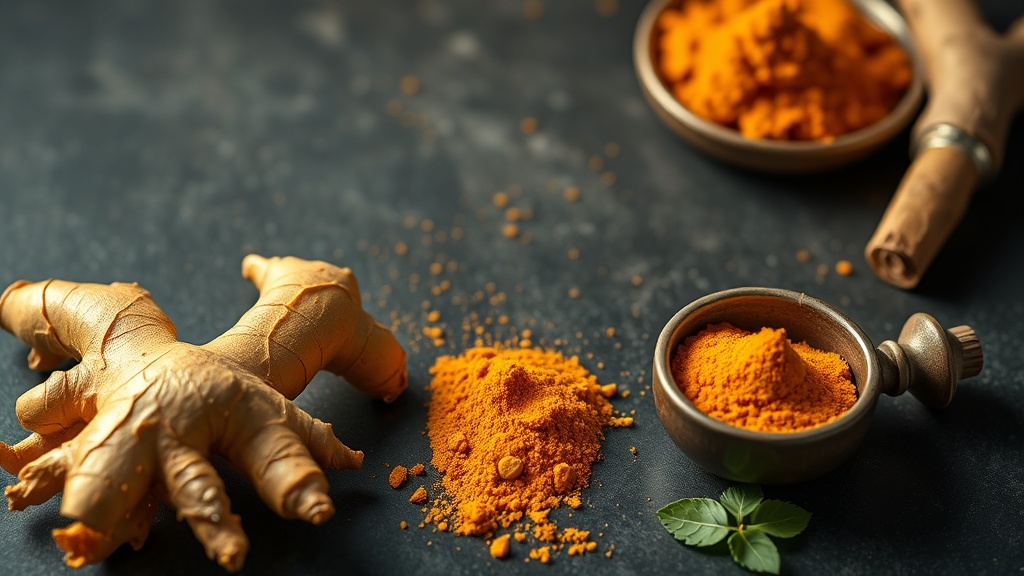
Ginger and Turmeric for Digestive Harmony

Roughly 70 million Americans suffer from chronic digestive issues, yet many rely on synthetic antacids that only mask symptoms rather than addressing the root. This post explores how the specific bioactive compounds in ginger and turmeric can support gut motility, reduce inflammation, and manage bloating. We'll look at the science behind these roots, how to use them effectively, and how to avoid common mistakes when adding them to your daily routine.
What are the benefits of ginger for digestion?
Ginger primarily aids digestion by stimulating the production of digestive enzymes and speeding up gastric emptying. This means it helps move food from your stomach into the small intestine more efficiently—a process that prevents that heavy, uncomfortable feeling after a large meal.
The active component in ginger is a compound called gingerol. Research found on Wikipedia suggests that gingerol has significant anti-inflammatory and antioxidant properties. When you consume ginger, it acts as a prokinetic agent. It essentially tells your digestive tract to keep moving. This is particularly helpful for people dealing with functional dyspepsia or nausea. I've noticed that a simple ginger tea after a heavy dinner can stop that sluggish feeling almost immediately.
There are two ways to look at ginger: as a preventative tool or a reactive one. If you experience motion sickness or nausea, ginger is your best friend. If you deal with slow digestion, incorporating it into your regular meals might be more effective. (It’s not a magic cure, but it's a powerful tool in the kit.)
Ginger vs. Peppermint: Which is better for bloating?
While both are great, they work through different mechanisms. Peppermint relaxes the muscles of the digestive tract to relieve spasms, whereas ginger focuses on the physical movement of food. If your bloating is caused by gas trapped in the upper GI tract, ginger is often the more direct solution.
| Feature | Ginger | Peppermint |
|---|---|---|
| Primary Action | Speeds up gastric emptying | Relaxes intestinal muscles |
| Best For | Nausea and slow digestion | Gas and cramping |
| Usage Tip | Best in warm liquids | Best as an oil or tea |
How can turmeric help with gut inflammation?
Turmeric reduces gut inflammation by inhibiting specific inflammatory pathways through its primary active compound, curcumin. It doesn't just sit in your system; it works to dampen the inflammatory response in the lining of the digestive tract.
Most people know turmeric as a bright yellow spice, but the real magic is in the curcumin. Curcumin is a polyphenol that has been studied extensively for its ability to modulate the immune system. However, there's a massive caveat: curcumin is notoriously difficult for the body to absorb on its own. If you just eat a spoonful of turmeric powder, most of it will pass right through you without any benefit.
To make it work, you need to pair it with a fat and a specific spice. Black pepper contains piperine, which has been shown to increase the bioavailability of curcumin by up to 2,000%. I always use a high-quality brand like Dr. McCollum or similar high-potency supplements if I'm using it for more than just flavor. Without that fat and pepper connection, you're essentially wasting your time.
Worth noting: Turmeric is a long-game spice. You won't feel the effects after one cup of golden milk. It requires consistent use over weeks to see a noticeable difference in systemic inflammation and gut comfort. It's a steady, slow-burn approach to wellness.
The "Golden Milk" Method
If you want to try this at home, don't just throw powder into water. That's a recipe for a gritty, tasteless mess. Follow this structure for a proper functional beverage:
- The Base: Use a high-fat milk like coconut milk or whole dairy milk.
- The Spice: Add 1/2 teaspoon of turmeric and a pinch of black pepper.
- The Heat: Warm the mixture, but don't boil it aggressively, as high heat can degrade some compounds.
- The Sweetener: A tiny bit of raw honey can help mask the earthy bitterness.
Can you take ginger and turmeric together?
Yes, combining ginger and turmeric is highly effective because their properties are complementary rather than redundant. While ginger focuses on motility (movement), turmeric focuses on inflammation (calmness). Together, they address both the speed and the quality of your digestion.
Think of it like this: ginger gets the traffic moving, and turmeric smooths out the road. When you combine them, you're tackling the two biggest culprits of digestive discomfort. Many people find that a morning tonic containing both helps set a steady tone for the rest of the day. It's a great way to start the morning, especially if you struggle with sluggishness after waking up.
That said, there are a few things to watch out for. Because both of these roots can stimulate certain processes, you shouldn't overdo it. Too much ginger can actually cause heartburn in some people—ironically making the discomfort worse. If you have a sensitive stomach, start with small amounts. It's better to under-dose and increase than to over-do it and end up with a burning sensation in your esophagus.
If you're looking to balance your evening routine as well, you might find that a warm herbal infusion helps more than just spices alone. I've found that combining these roots with calming herbs is a great way to wind down. You can learn more about building these blends in my post on how to create a calming herbal sleep tea blend at home.
Potential Side Effects and Precautions
While these are natural, "natural" doesn't mean "risk-free." Here are a few things to keep in mind:
- Blood Thinning: Both ginger and turmeric can have mild anticoagulant effects. If you're on blood-thinning medication, talk to your doctor first.
- Gallstones: Turmeric can stimulate the gallbladder, which might be problematic for those with existing gallstones.
- Pregnancy: Always consult a healthcare professional before using therapeutic doses of medicinal spices during pregnancy.
- Heartburn: High doses of ginger can sometimes trigger acid reflux in sensitive individuals.
I've personally found that timing is everything. Taking ginger in the late afternoon helps with that mid-day slump, but I tend to keep the turmeric intake focused around my main meals to ensure the fat absorption is optimized. It’s all about the nuances of how your body responds to different stimuli.
If you find that your digestion is still feeling off despite using these spices, it might be worth looking at your light exposure and circadian rhythms. A consistent morning routine can do wonders for your internal clock. Check out my guide on morning sunlight for better sleep to see how light affects your overall vitality.
The goal isn't to find a single "miracle" ingredient. It's about building a toolkit of substances that support your body's natural ability to process food and manage inflammation. Ginger and turmeric are two of the most reliable tools available, provided you use them with intention and the right pairings.